
Smooth Surfaces That Need No Wax or Topcoat
Concrete Polishing in St. George for retail spaces, offices, and modern interiors requiring low-maintenance reflective floors
Creative Coating Solutions polishes concrete floors in retail spaces, offices, showrooms, and residential interiors throughout St. George. You may be planning a remodel that exposes the existing slab, managing a commercial space that requires a durable, easy-to-clean surface, or looking for a floor finish that does not require waxing or periodic recoating. Concrete polishing creates a smooth, reflective surface by mechanically refining the concrete itself, rather than applying a topical coating. The result is a floor that resists staining, reflects light, and requires only damp mopping to stay clean.
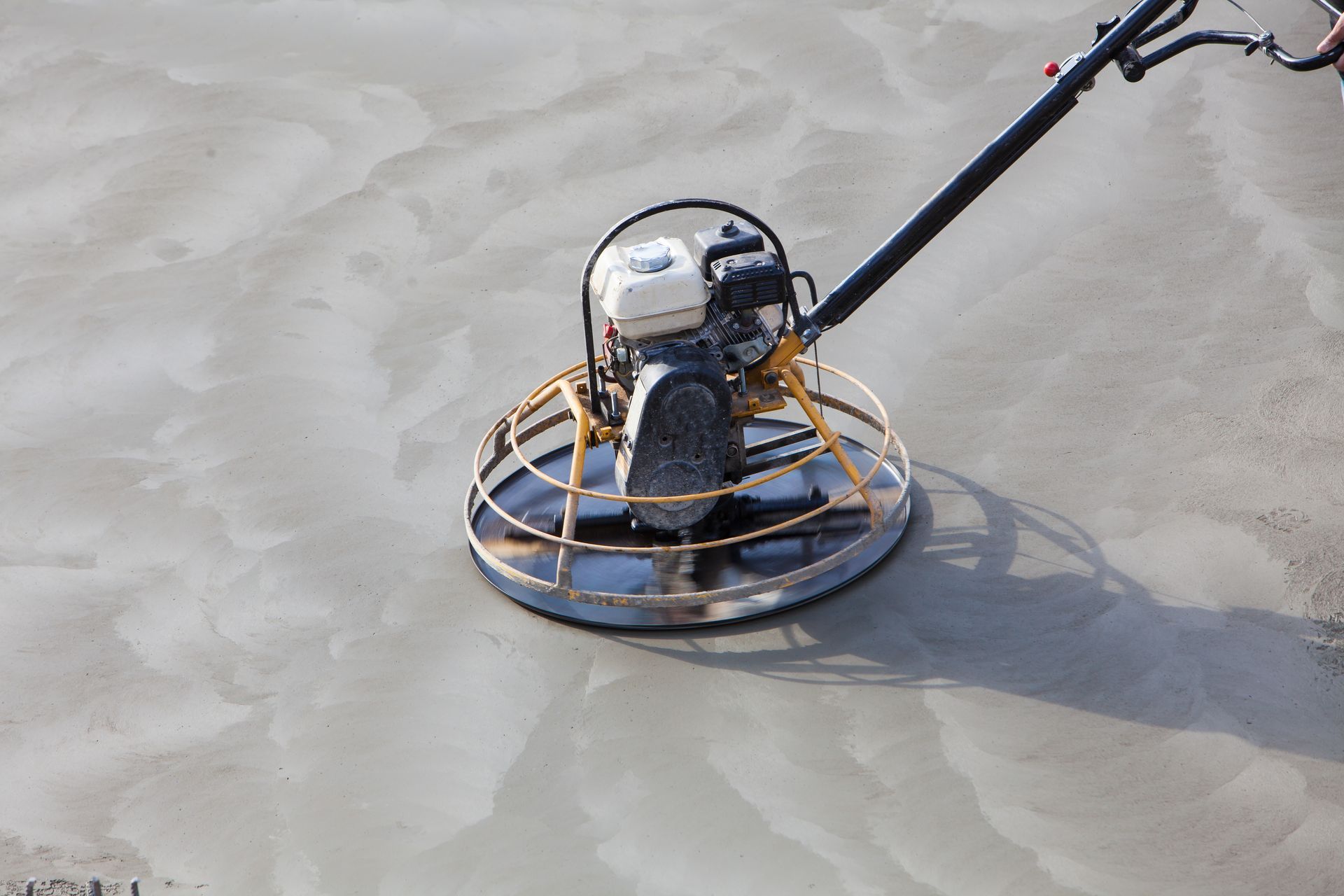
The process begins with coarse diamond grinding to remove any existing coatings, smooth surface irregularities, and expose the aggregate within the concrete. Cracks are filled, and low spots are leveled. A liquid densifier is applied to harden the surface and close the pores, which reduces porosity and increases abrasion resistance. The floor is then polished in multiple steps using progressively finer diamond pads, each pass increasing the gloss level and smoothness. The final result is a dense, reflective surface that does not require sealing or waxing.
If you are considering polished concrete for your space, a site visit can clarify what the existing slab will look like after polishing and whether any repair work is needed before grinding begins.
What You Will See After the Polishing Is Finished
The floor becomes smooth to the touch and reflects overhead lighting, which brightens the space without adding fixtures. The natural color and aggregate pattern of the concrete are visible, and no topical coating obscures the surface. Spills sit on top long enough to be wiped away without soaking in, and the floor does not show scuff marks or wear patterns the way waxed or sealed floors do. Dust and dirt collect in loose piles rather than bonding to the surface, so sweeping and damp mopping keep the floor clean without scrubbing.
Creative Coating Solutions completes the polishing in phases, starting with coarse grinding and progressing through finer grits until the desired gloss level is reached. The floor is ready for foot traffic as soon as the final polishing step is complete. There is no cure time, no odor, and no need to stay off the surface while a coating dries. The polished concrete remains stable through temperature changes and does not crack, peel, or yellow over time.
Polishing refines the existing slab but does not hide flaws. Surface stains, deep cracks, and color variations will still be visible after polishing, though they are often less noticeable once the floor is smooth and reflective. Substrates with severe spalling, active moisture issues, or structural damage may not be suitable candidates for polishing without prior repair. The process removes a small amount of concrete, so it cannot be used to level severely uneven floors.
Questions About the Polishing Process and Results
Property owners and designers in St. George often ask about gloss levels, maintenance requirements, and how polished concrete compares to coated floors. The answers depend on the condition of the existing slab and how the space will be used once the work is complete.
What does the densifier do during the polishing process?
The densifier is a liquid solution that penetrates the concrete and reacts with the calcium hydroxide to form a hard, crystalline structure. This closes the pores, increases surface hardness, and reduces dusting. It does not change the color or appearance of the concrete.
How glossy will the floor look after polishing?
The gloss level depends on how many polishing steps are completed. A satin finish shows a soft sheen, while a high-gloss finish reflects light like glass. Most commercial and retail spaces choose a mid-level gloss that balances reflectivity with slip resistance.
Why do some areas of the floor look darker or lighter after polishing?
Concrete is not a uniform material, so natural color variations, aggregate exposure, and curing inconsistencies will show through once the surface is polished. These variations are part of the natural character of the floor and cannot be removed.
When is the best time to polish a concrete floor in St. George?
Polishing can be done year-round, as the process does not involve coatings that require specific temperature or humidity ranges. However, working during moderate weather reduces dust control challenges and makes ventilation easier.
What types of maintenance does a polished concrete floor require?
Daily sweeping or dust mopping removes loose dirt, and damp mopping with a neutral cleaner keeps the floor clean. No waxing, buffing, or recoating is required. The floor may need re-polishing after several years if heavy traffic dulls the surface.
Creative Coating Solutions offers free estimates that include an inspection of your existing slab, a discussion of gloss levels and aggregate exposure, and a written scope detailing the polishing steps and timeline. If you need a durable, low-maintenance floor that reflects light and does not require periodic refinishing, a site visit will clarify what polished concrete can deliver and whether your slab is a good candidate for the process.